Copyright © 2025
George R. Morgan
Types of Lung Diseases Affecting Westies
Westies can develop several respiratory conditions, and the breed is especially associated with canine idiopathic pulmonary fibrosis,
sometimes called Westie Lung Disease. The conditions below are useful for owners to recognize, but only a veterinarian can
determine the cause of coughing or breathing changes.
Pulmonary Fibrosis (Westie Lung Disease)
Pulmonary fibrosis, sometimes called “Westie Lung Disease,” is a chronic, progressive condition seen most often in older West
Highland White Terriers. The lung tissue becomes thickened and scarred, making oxygen exchange more difficult. The cause is
not fully understood, though genetic and environmental factors may play a role. Symptoms often appear gradually and may be
subtle at first.
Chronic Bronchitis
Chronic bronchitis is a long-term inflammatory condition of the lower airways that can cause a persistent cough, noisy
breathing, or exercise intolerance after other causes are ruled out. It may be associated with airway irritation, environmental
triggers, infection, or other underlying problems. It is not unique to Westies, so veterinary evaluation is important before
assuming the cause of a cough.
Pneumonia
Pneumonia is inflammation or infection in the lungs that may be caused by bacteria, viruses, fungi, parasites, irritants, or
aspiration of food, liquid, or vomit. It can develop quickly and may become life-threatening without prompt veterinary care.
Dogs with weakened immune systems or existing respiratory problems may be at higher risk.
Parasitic Infections
Lungworms and other respiratory parasites can affect dogs, though they are not among the most common causes of coughing in
every region. Signs can range from mild or absent symptoms to coughing, breathing difficulty, or more serious illness.
Diagnosis can be challenging, and prevention depends on the parasite, exposure risk, region, and veterinarian-recommended
parasite-control plan.
Symptoms to Watch For
Recognizing early signs of lung disease in your Westie can make a significant difference. While symptoms vary by condition,
common warning signs include:
Persistent Cough
A chronic, dry, or harsh cough that does not resolve or keeps returning.
Labored or Rapid Breathing
Noticeable effort when breathing, a faster resting breathing rate, or noisy breathing sounds.
Lethargy
Unusual tiredness, reluctance to play, or decreased energy levels.
Exercise Intolerance
Difficulty keeping up with normal activities or quick fatigue during walks or play.
Bluish Gums or Tongue
Bluish gums or tongue can be a sign of low oxygen and should receive immediate veterinary attention.
Appetite Loss and Weight Changes
Reduced interest in food or unexplained weight loss may accompany chronic respiratory problems.
These symptoms can be caused by many health problems, not just lung disease. Any persistent, worsening, or sudden breathing-
related sign should be evaluated by a veterinarian promptly.
Diagnosis: The Critical Role of Veterinary Assessment
Diagnosing lung disease in Westies is a complex process that requires professional expertise and diagnostic tools unavailable to pet
owners. Self-diagnosis or delaying professional evaluation can lead to unnecessary suffering and poorer outcomes. Your
veterinarian may use a combination of the following to reach a diagnosis:
Physical Examination
Assessing your Westie’s breathing, heart rate, and overall condition.
Medical History
Gathering information about symptom duration, environmental exposures, and any previous illnesses.
Chest X-rays
Imaging to detect changes in lung tissue, airway size, or the presence of fluid or masses.
Blood Tests
Bloodwork may help identify infection, inflammation, anemia, or organ-health concerns. Oxygenation may be assessed with
pulse oximetry or, in some cases, blood gas testing.
Bronchoscopy
Inserting a small camera into the airways to visualize and sample tissues.
Fecal and Parasitology Tests
Checking for evidence of parasitic infections.
Only a licensed veterinarian can interpret these findings, provide a definitive diagnosis, and recommend the most appropriate
treatment plan. Attempting to diagnose or treat lung disease at home is not safe and may delay lifesaving care.
Treatment Options for Lung Disease in Westies
The treatment plan for a Westie with lung disease depends on the specific condition, severity, and overall health of the dog. Most
cases require a combination of medical therapy and lifestyle adjustments.
Medical Treatments
Medications
Treatment depends on the diagnosis and may include anti-inflammatory medications, antibiotics or antifungals when
infection is confirmed or strongly suspected, antiparasitic medication when parasites are involved, cough management, or
other veterinarian-directed therapies.
Bronchodilators
Medications that help open the airways and improve breathing comfort.
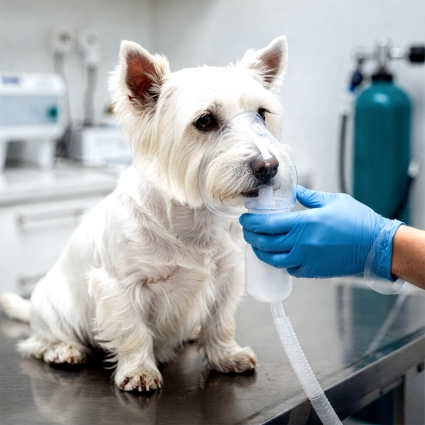
Oxygen Therapy
Supplemental oxygen may be necessary in severe or acute cases, administered at the clinic or, in some cases, at home under
veterinary direction.
Supportive Care
Intravenous fluids, nutritional support, and rest may be important during recovery from pneumonia or severe respiratory
distress.
Lifestyle Adjustments and Supportive Measures
Weight Management
Maintaining a healthy weight reduces the workload on the lungs and heart.
Environmental Modifications
Avoiding exposure to smoke, dust, strong cleaning agents, and other respiratory irritants can help prevent flare-ups.
Airborne irritants can be especially hard on a Westie that already has lung disease. Scented candles, plug-in air fresheners,
room sprays, incense, strong perfumes, aerosol products, smoke, dust, and harsh cleaning fumes may worsen coughing or
breathing discomfort. When possible, choose unscented products, improve ventilation, and keep your Westie away from
fumes or strong fragrances.
Regular Monitoring
Ongoing veterinary check-ups and at-home observation are necessary to track disease progression and adjust treatment as
needed.
At-Home Breathing Monitoring
Watch your Westie’s resting breathing rate and effort when relaxed or asleep.
Track coughing frequency, cough sound, and whether coughing occurs at night, after exercise, or after excitement.
Notice exercise tolerance, appetite, energy, gum color, sleep comfort, and signs of distress.
Note possible triggers such as smoke, dust, heat, humidity, strong odors, exertion, or respiratory infections.
Share these notes with your veterinarian, especially if symptoms are new, worsening, or interfering with normal activity.
Prognosis and Long-Term Care
The prognosis for Westies with lung disease varies. Some conditions, such as pulmonary fibrosis, are progressive and primarily
managed with supportive care, while others, like pneumonia or parasitic infections, may resolve with appropriate treatment. Early
veterinary attention may improve comfort and treatment options.
Estimated Costs of Diagnosis and Treatment
Respiratory care costs can vary widely depending on the condition, diagnostic testing, disease severity, geographic location,
emergency needs, specialist referral, and follow-up care. The following figures are broad estimates only and should be confirmed
with your veterinarian.
•
Veterinary Consultation and Physical Exam: $50 - $150 per visit
•
Chest X-rays: $100 - $250 per set
•
Blood Tests: $80 - $200
•
Bronchoscopy (if needed): $500 - $1,500
•
Medications: $30 - $200 per month, depending on the type and dosage
•
Hospitalization or Oxygen Therapy: $200 - $1,000 or more per day for severe cases
•
Follow-Up Visits and Monitoring: $50 - $150 per visit
Discuss expected costs with your veterinarian before treatment begins whenever possible. Chronic lung conditions may require
long-term medication, rechecks, imaging, emergency care, or specialist support. Pet insurance may help with some expenses
depending on the policy, exclusions, deductibles, reimbursement rates, and whether the condition is covered.
Lung disease can be frightening, especially when breathing changes appear slowly or seem minor at first. By watching for warning
signs, keeping helpful notes, reducing respiratory irritants, and working closely with your veterinarian, you can support your
Westie’s comfort and quality of life. If something about your dog’s breathing worries you, trust your instincts and seek veterinary
care promptly.
Your veterinarian is the best source for guidance specific to your Westie’s symptoms, diagnosis, and treatment options. Online
information can be helpful for learning general terms, but decisions about breathing problems should always be made with your
veterinarian.


Lung Disease in West Highland White
Terriers
Understanding, Recognizing, and Managing Respiratory Health in Westies
Lung disease can be serious in Westies, especially when coughing,
breathing changes, or exercise intolerance appear gradually. This
guide helps owners recognize warning signs, understand common
respiratory conditions, review diagnosis and treatment options,
consider possible costs, and know when to seek veterinary care.